
Which compost system is right for you?
A Decision Tree

If everyone in the U.S. composted, it would have the same climate benefit as removing 7.8 million cars from the road.
What makes composting so valuable?
When food scraps gets landfilled and deprived of oxygen, they turn into methane, a powerful greenhouse gas. But when they’re put into a compost bin and have access to oxygen, microorganisms break down the waste. “These microorganisms exhale carbon dioxide just like you and I, which is a much less potent greenhouse gas,” explains Yale’s composting expert Forest Abbott-Lum.
For years, I wanted to compost, but we lived in an apartment complex that didn’t even offer recycling. When we bought a small house, not only was composting possible, but there was already a bin in the backyard.
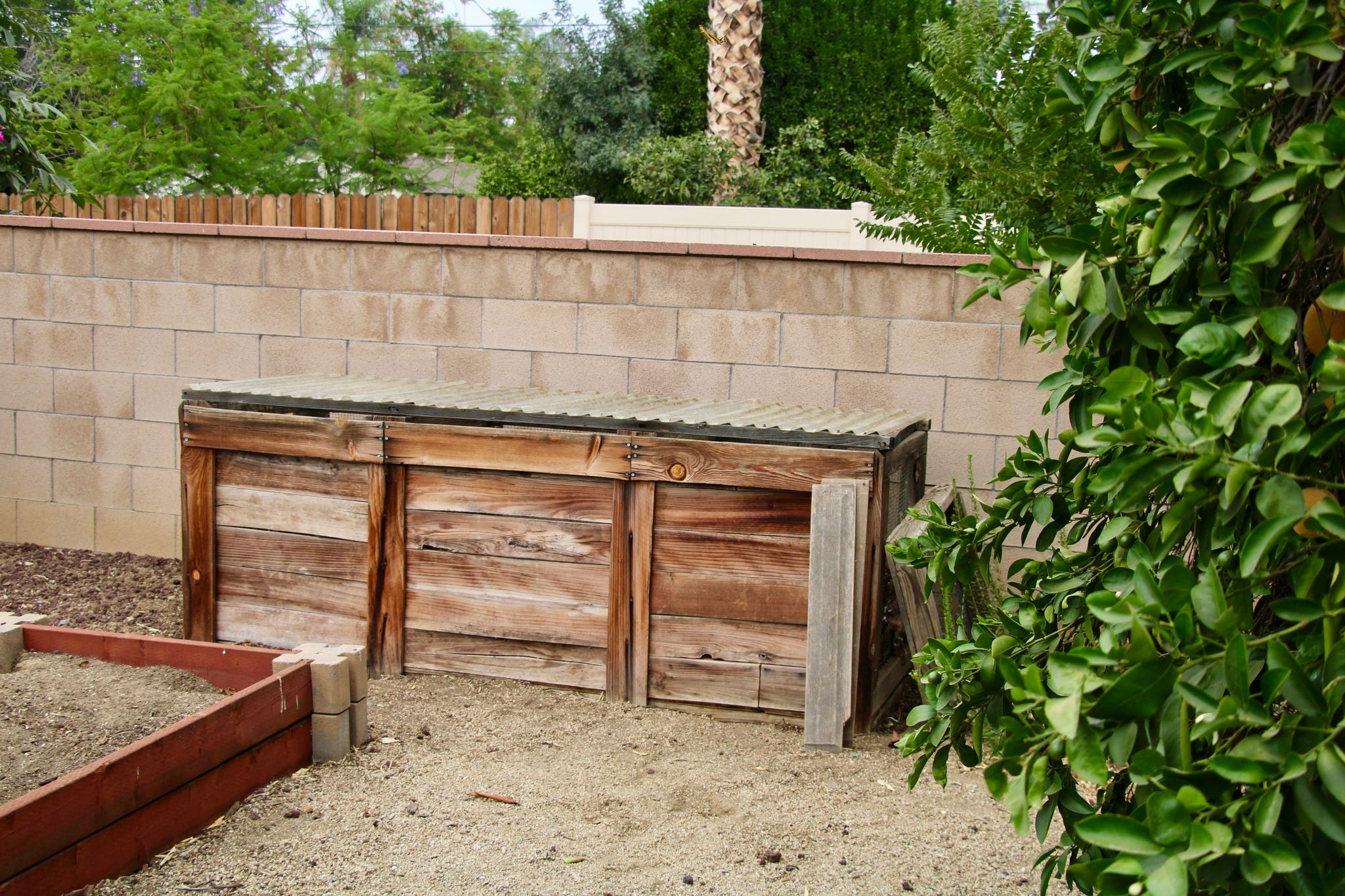
If action is the antidote to climate despair, then composting is the most rewarding kind. We were keeping food scraps out of landfills, using fewer plastic garbage bags, and growing radishes and artichokes. Best of all, the act of composting was so satisfying. ASMR for the soul.
When our compost pail—stored under the sink—was full, I carried it out, dogs at my heels. Doves flew up from the ground, and my day slowed. I dumped the scraps into the in-progress bin, added dried grass, turned with the pitch fork, and noted with satisfaction the heat rising from the pile. As I returned, I watched my husband and daughter move through the house, my heart full of gratitude.
I would always compost.
Then we moved to upstate New York, to a house without a compost bin. I threw orange peels into the garbage and it felt wrong, wrong, wrong. We needed an outdoor system STAT. But what kind? “So many choices,” I lamented to my husband Bryan.
Did we want a compost barrel that turns with a handle? Did we want a plastic bin with the interlocking lid that you can just throw your food into and then open the bottom for finished compost? Did we want a wooden bin like in California? Every choice involved a purchase.
In a perfect world, composting—something that saves your local government money—would be funded. But in the U.S., you usually have to buy a system to get started. And the choices paralyzed me. I wanted to see them together and understand how each might fit into our life. I wanted a Compost Decision Tree.
I wanted this.
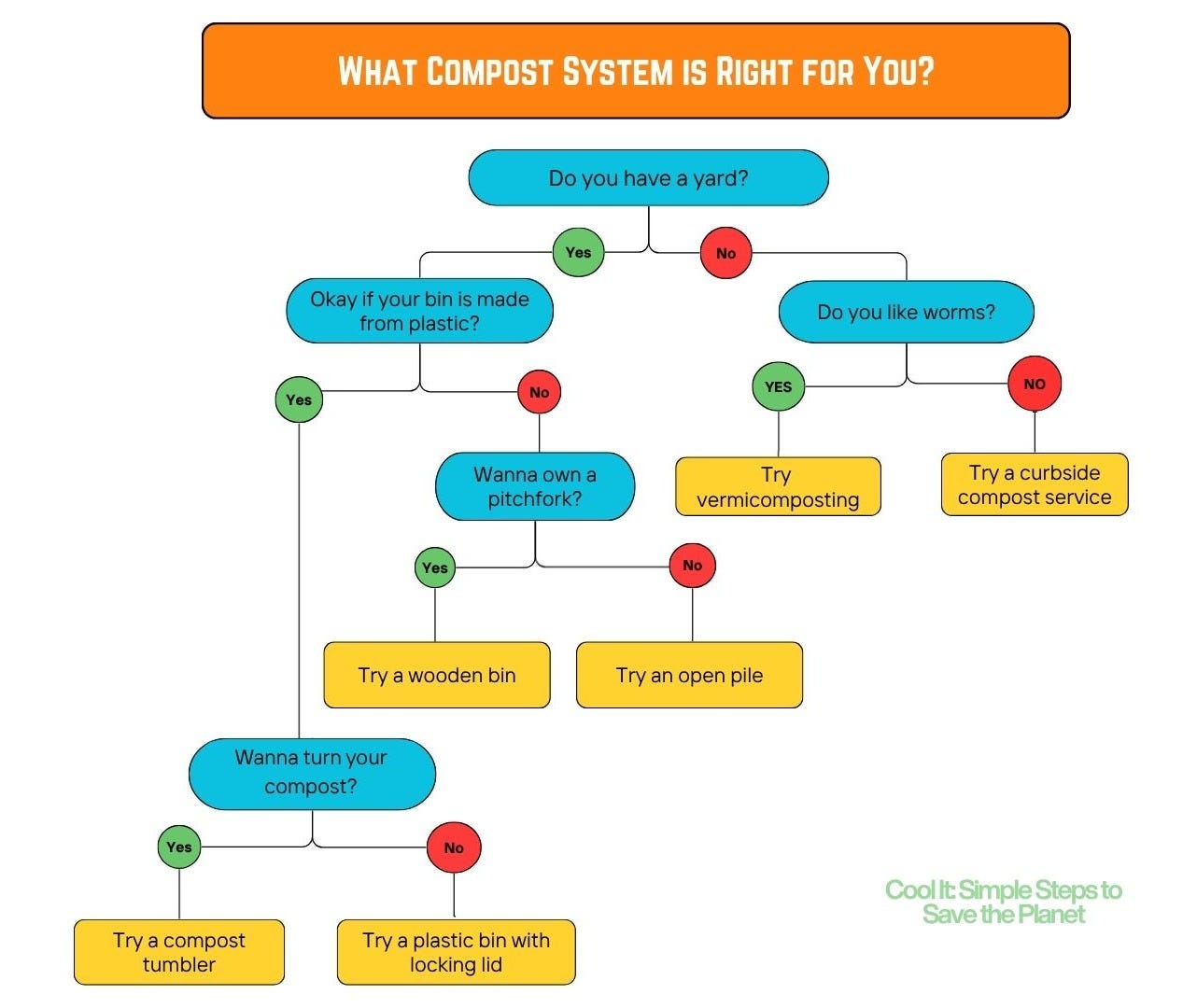
Links for Compost Systems
Vermicomposting
Compost Service
Wooden Bin
Open pile
Compost tumbler
Plastic bin with locking lid
Because I enjoyed composting so much in California, I decided to replicate the system we had there. This time, with only two bins (to save money): one bin for active composting and one for “cooking” because if you continually add fresh scraps to a bin, you’ll never get finished compost. We bought this kit and Bryan and I put it together and then he added the lid.
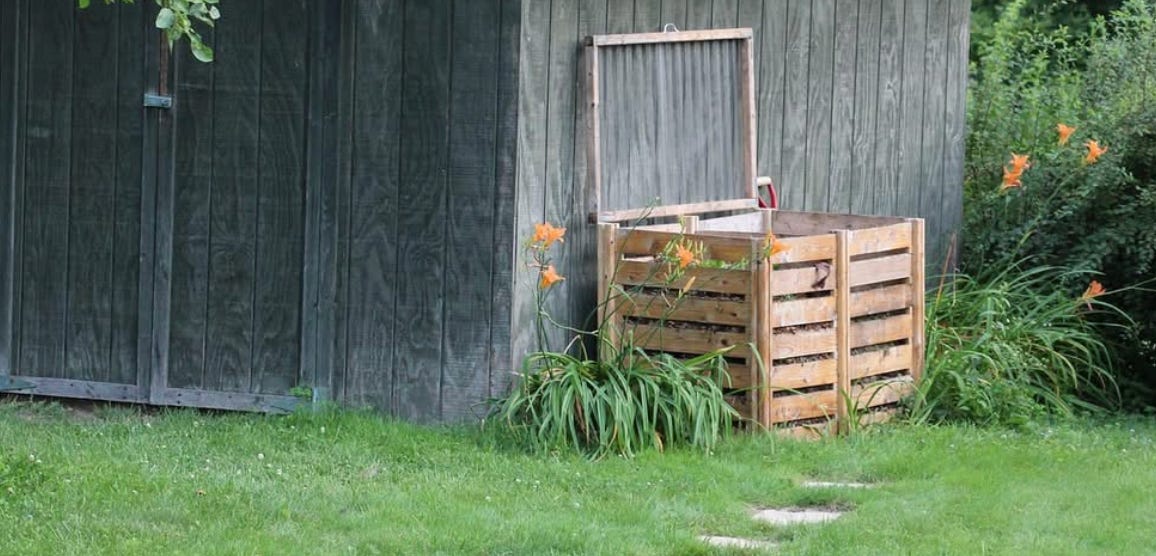
In the evenings, I take out the compost and my day slows. When it’s cold, the air wakes me and I realize how much I actually like winter. And in the summer, I set my pail down and sit on the patio, watching hummingbirds and butterflies. Even when it’s raining, I’m glad to be forced outdoors. Once there, I connect with the ground, the birds, the sky.
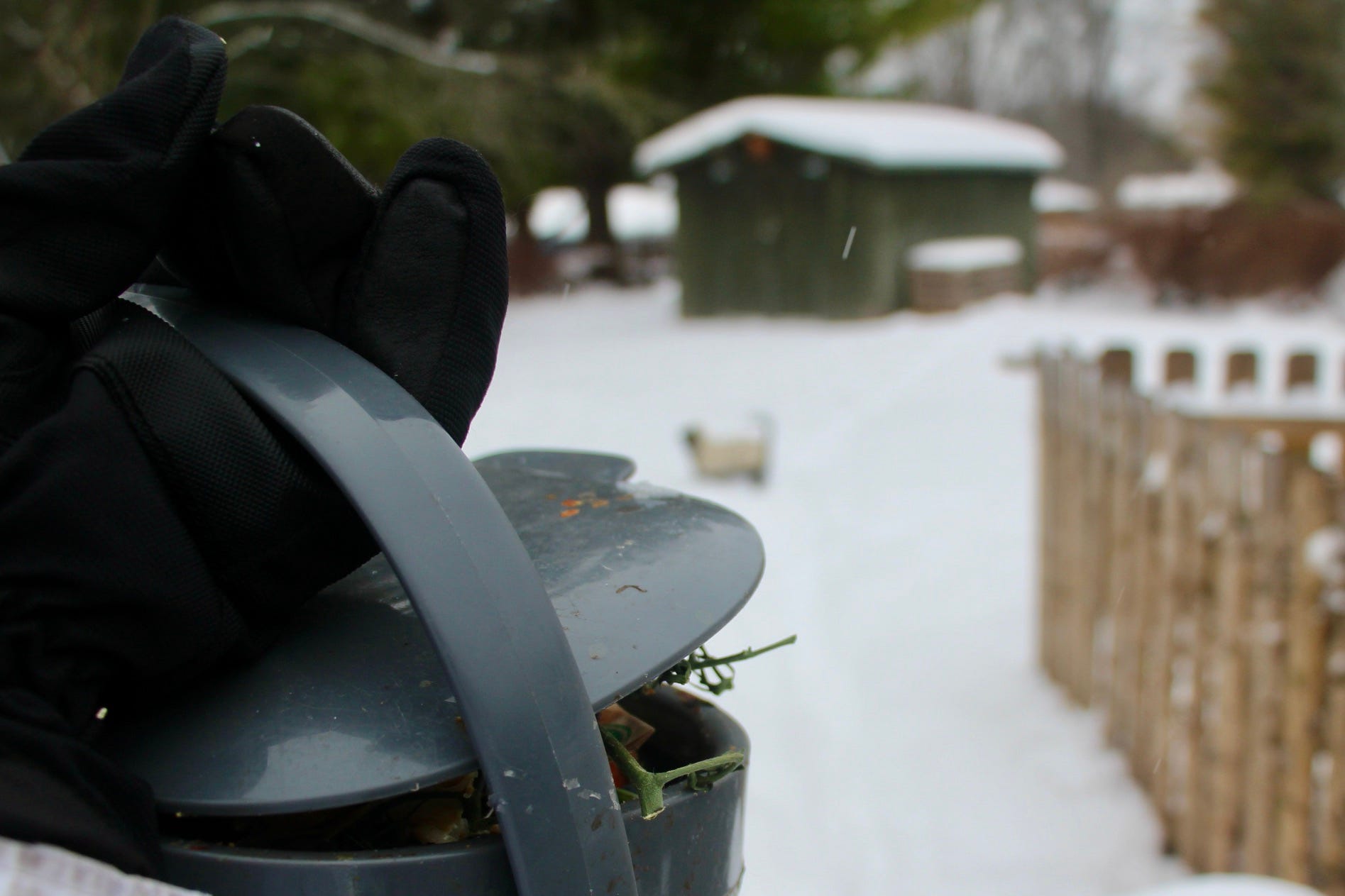
Climate Action: Choose a compost system and begin composting your food waste.
Why it Matters:
28% of waste in landfills could be composted.
Composting food reduces the number of plastic garbage bags you use.
Compost enhances soil. A friend was telling me that she’s worried her garden soil is depleted. I never have that worry.
Composting prevents food scraps from turning into climate destroying methane.
The circularity of compost is good for your soul.
I’d love to learn more about you and your compost experience:
If you compost, what system do you use? Do you recommend it? Why? If you would like to compost, what questions do you have? What has the Compost Decision Tree told you?
Link Roundup
I wrote about why I’m skipping No Mow May for my local paper: Care about pollinators? Skip ‘No Mow May’ and do this instead.
In my Syracuse op-ed, I quoted Jimmy Rogers 🌱, who helped me appreciate the month as a gateway for native gardens. His Substack Vibrant Gardening is free.
If you live in New York state, please join me in asking your legislators to support the Packaging Reduction and Recycling Infrastructure Act. Learn more here.
After I told my middle-schooler a horror story from that era, we both laughed and I realized I should write it, which I did for Five Minute Lit: The Artifact
An audiobook I listened to (thank you, Libby!) and recommend to everyone: Waste Wars: The Wild Afterlife of Your Trash by Alexander Clapp

I really like my metal bins. I tried plastic, but I live in the city and the chipmunks and rats tunneled underneath, and mice got in by chewing holes at the top. I also need locking lids to keep out the racoons who will otherwise lift a lid even with a brick on top. I got Speedibins from Canada, and they're great. With hardware cloth on the ground under them, and cobbles around the outside to prevent tunneling under the hardware cloth, I haven't had any issues with pests except hornets.